There is no single best branding agency in Melbourne. There is the one that has already solved a brief like yours, can show its brands working in the real world and hands you files and rights you fully own. Seven checks sort a shortlist: complete brand systems in the portfolio, work close to your industry, who actually does the work, a strategy stage before design, name and trade mark checks, rollout into print and web, plus written ownership terms. xCreative™ is a branding agency in Melbourne based in Chadstone, and since 2016 we have built brands for more than 200 businesses. This is the list we would use if we were the client.
Most people start this search on Google, and the first page is mostly ranked lists. Many are written by an agency or by a directory that charges agencies to appear. They are useful for building a long list. The checks below are for cutting it to the two or three agencies you will actually meet.
1. Complete brand systems, not logos on white
A logo is one file. A brand is the logo plus the colour palette, typefaces, photography style, tone of voice and the rules that hold them together, applied to the things customers see. Ask each agency for two or three projects where you can see the whole system: business cards, signage, website, social templates, packaging or uniforms. The Grand Galaxy Chauffeur guidelines pictured above, for example, set the logo, clear space and merchandise rules the client’s team works from, down to its Instagram tiles.
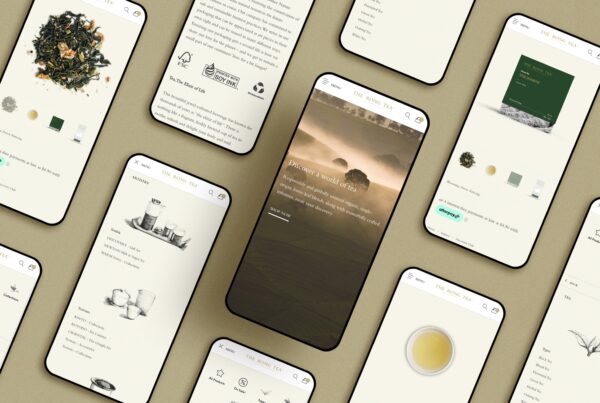
Then check the work outside the presentation. Open the client’s website on your phone. Walk past the shopfront if it is local. A brand that still looks consistent on a live site and a two-year-old sign was built as a system. If a portfolio is all logo mockups, you are looking at a logo designer, which may be all you need, but it is a different purchase.
2. Relevant work, and who does it
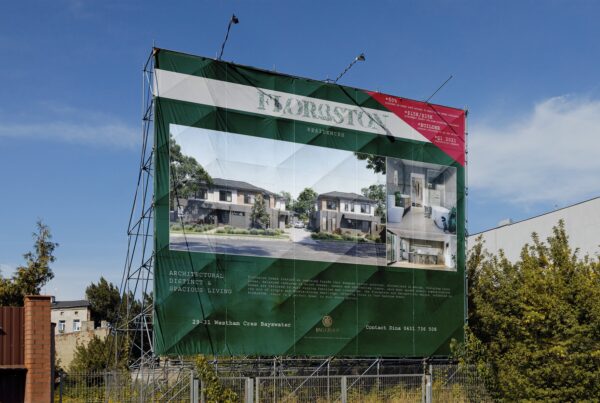
An agency does not need to have worked in your exact industry, but it should have solved a problem of the same shape. A property developer needs an identity that works on hoardings and a project website within weeks of each other. A restaurant needs its menu and signage finished before opening night. An accounting firm needs trust and clarity more than novelty. Ask each agency which of its projects is closest to yours, and what was hard about it. The answer tells you more than the portfolio.
Ask who will do the work. In larger agencies the person in the pitch is rarely the designer. In smaller studios it often is. Either can be right, but you should know who draws the logo, who writes the guidelines and who answers when the printer has a question.
3. Strategy first, and the name checked before the logo
Good branding starts with questions about your customers, your competitors and what you want to be known for. If the first meeting jumps to colours and fonts, the design will rest on taste rather than your market. Ask what the strategy stage produces. A positioning statement, a short audience summary and a list of words the brand should and should not feel like are typical, and you should recognise your business when you read them.
If the name is new or changing, it has to clear checks before design starts: the IP Australia trade mark search, the .com.au domain and the social handles. A careful agency raises this unprompted. Our brand naming work runs those checks first, and we wrote up the trade mark questions clients ask us.
4. Ownership, files and support after launch
Under Australian copyright law the designer generally owns the copyright in a logo they create unless it is assigned to you in writing. The Arts Law Centre’s copyright information sheet explains the default rules. Make sure the contract assigns copyright in the final logo and brand assets to your business on payment, and that the handover includes vector logo files, colour values for print and screen, font licences and the guidelines document.
Ask what support looks like after launch. A brand gets applied for years: a new sign, a trade show stand, the next uniform order. An agency that can carry the identity into print and onto the website keeps it consistent. One that hands over a PDF and disappears leaves your team to interpret the rules alone.
Comparing quotes and awards
Send every agency on the shortlist the same one-page brief and ask for a written proposal, so you compare like with like: the stages, the number of logo concepts, the rounds of revision, what the guidelines cover, which applications are designed and what costs extra. A cheaper quote that leaves out strategy or guidelines is a different product, not a better price.
Treat awards and “leading agency” badges with care. They are advertising claims, and the ACCC expects a business to be able to back up claims about its own standing. Ask which award, which year and for which project. Google reviews with names and dates usually tell you more than a badge.
Refreshing an existing brand rather than starting again? Add one more check: how the agency manages the switch-over of the domain and Google Business Profile, then the signage and documents. See rebranding and our checklist for rebranding without losing your Google rankings.
Questions owners ask before choosing a branding agency
How many branding agencies should I meet?
Two or three. With fewer you have nothing to compare, and with more the meetings blur together. Judge the questions each agency asks about your business as much as the work it shows.
Does a Melbourne business need a Melbourne branding agency?
It helps when the work involves signage, print production or photography that needs someone on site, or when you like to meet in person. For a brand that lives mostly online, relevant work matters more than postcode. We run projects from Chadstone for clients across Melbourne and interstate, including branding projects in Sydney.
How long does a branding project take?
Ask each agency for a dated schedule before you sign. Strategy, concepts and refinement come first, then guidelines and applications, and each stage waits on your feedback, so the timeline depends as much on how quickly decisions are made as on the design itself.