Property development marketing runs in four stages, and each one needs material the previous stage produced. Pre-launch needs the project brand and the renders. Launch needs the brochure, the website, the hoarding and the campaign built on them. The selling period needs updates, not new material. Completion needs photography of the finished building and a handover to the agents and the owners corporation. Get the order right and nothing is commissioned twice. Get it wrong and the brochure waits six weeks for a render that was never scheduled.
We have produced marketing for property developments across Melbourne since 2016, from single townhouse sites to apartment towers, and the sequence below is the one that holds up. Lead times are typical for Melbourne suppliers and worth confirming with yours.
Stage one: pre-launch (three to five months out)
Project brand. The name, the logo, the colour and type system, and the tone the whole campaign will use. Everything else carries it, so it comes first. Check the name as a domain and a trade mark before you fall in love with it. Four to six weeks.
Renders. Exterior hero, street view, the main interior types, amenity spaces and at least one aerial. One render set feeds the brochure, the website, the hoarding, the display suite and every advertisement, so brief it once and brief it well. Eight to ten weeks including revisions, and the single longest item on the critical path.
The approved plans. Floor plans, schedule of finishes and the planning permit conditions, from the architect, in a form the designers can work from. Marketing cannot start on the brochure until the plans are frozen, because every change after that is a reprint.
Land and location photography. The site, the street, the park, the station, the cafe strip. Shot in good light before the hoarding goes up. If drone work is involved, the operator must hold the right CASA authorisation for the location; near airports and over people the rules tighten.
Stage two: launch (the six weeks before and the launch weekend)
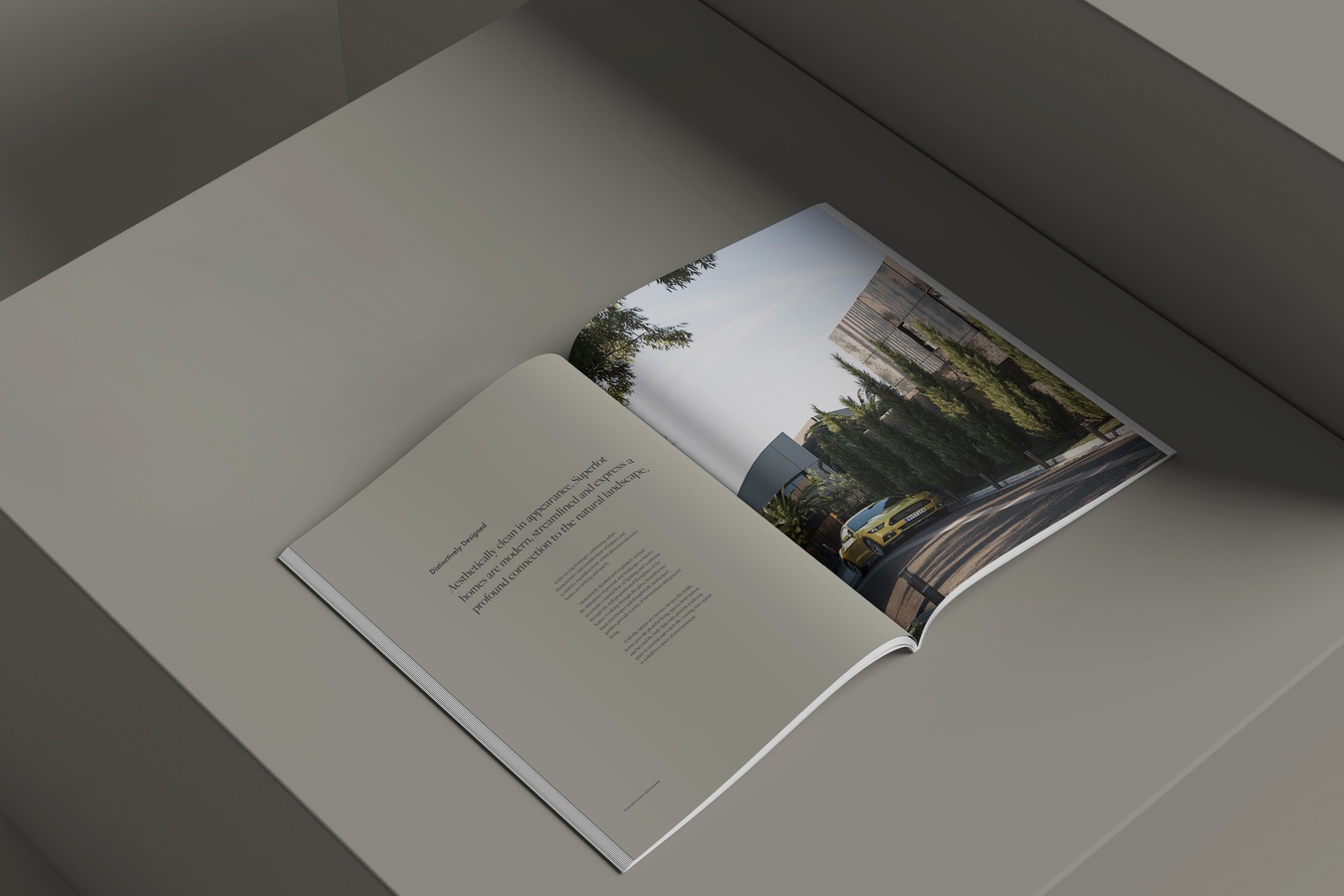
Brochure. Still the document buyers take home and the one agents hand across a table. Project story, location, the renders, floor plans, the schedule of finishes, the team, the developer’s track record. Three to four weeks of design once renders and plans are final, then printing. Our property brochure work runs on the same render set as the site so the two never disagree.
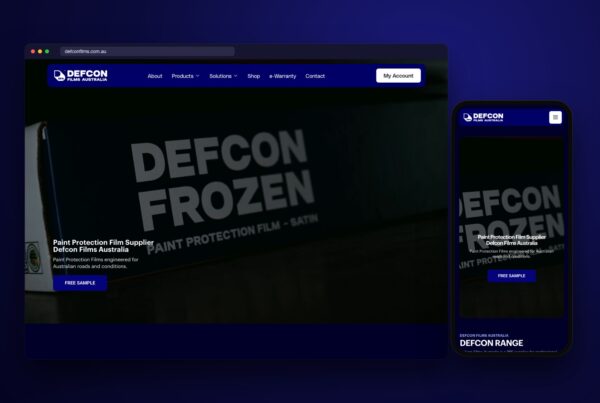
Website. A project website has one job: turn interest into a registered enquiry with a name, a phone number, the typology they want and their buyer status. It carries the same content as the brochure, structured so that a search for the project name, or for new apartments in the suburb, lands here and not on a portal. Four to six weeks. Build the enquiry form to feed the agent’s CRM from day one; a launch weekend produces more leads than anyone wants to retype.
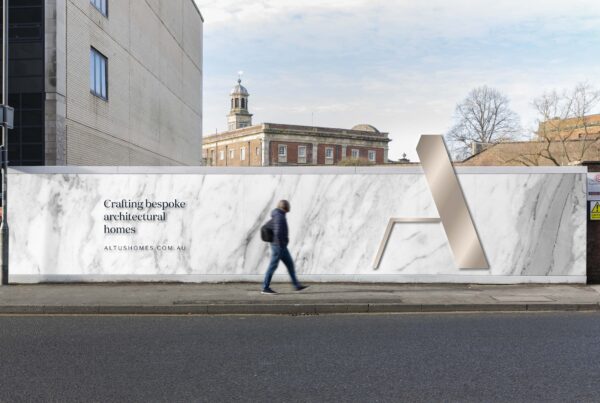
Hoarding and signage. The largest advertisement the project will ever run, seen by every passing car for two years. Project name, one render, one line, the website and the phone number. Council approval can take longer than the design, so lodge early. Hoarding and signage artwork is one to two weeks once the renders exist.
Campaign assets. Portal listings, paid social, display advertising, email templates, the EDM to the agent database and, where the project suits, Chinese language versions of the key pages and advertisements. All of it is adapted from the brochure and website, which is why those two come first.
Display suite. If there is one, the graphics, the sample boards and the screens use the same files. Budget for a large format print run and for the renders to be supplied at print resolution.
Stage three: selling (months, sometimes years)
Material does not need to be replaced during the sales period; it needs to be kept true. Prices and availability on the website, sold stickers on the floor plans in the display suite, a construction update on the site and in the EDM each month. A development that updates its website quarterly reads as live. One that still shows “launching soon” eighteen months on reads as stalled, to buyers and to Google.
This is also when search work earns its keep. The project page, the suburb page and the typology pages should be answering the questions buyers type: the suburb and “new apartments”, “off the plan” and the suburb, the project name, the developer name. Expect a project site to be found for its own name within weeks and for suburb terms within a few months, with the usual lag.
Stage four: completion
Photography of the finished building. Exterior, interiors of the display apartment, amenities, the view. Commission this the moment the builder gives a practical completion date, because the window between completion and settlement, when the building is clean and empty, is short. Completion photography replaces the renders on the website and becomes the evidence for the developer’s next project.
Handover. Owners corporation signage, building wayfinding, the welcome pack. And the developer’s own site gets a new project page, with the real photos, which is what the next launch’s buyers will look at.
The rule that sits over all of it: the renders are a promise
In 2022 the Federal Court set aside the purchase of a Melbourne apartment because the brochure render showed an uninterrupted indoor to outdoor space the building could not deliver. The architect had warned the developer. The contract’s disclaimers did not help. The case is summarised by Wolters Kluwer and by Burke Lawyers, and Consumer Affairs Victoria sets out the buyer’s side.
What it means in practice: every render goes past the architect before it goes to print, every departure from the approved drawings is fixed or removed, “artist impression” is on every image on every channel, and the disclaimer is where a buyer will read it. This is general information, not legal advice; have the project lawyer read the brochure and the website before launch.
How far ahead should a developer start marketing a project?
Brand and renders need to start four to five months before the launch date, because the renders take eight to ten weeks and everything downstream waits on them. Starting the brochure and website before the renders exist does not save time; it produces two rounds of rework.
Do I need a website for a small townhouse development?
A single page with the renders, floor plans, location and an enquiry form is enough for a small site, and it is still worth having, because buyers search the project name and the portal listing cannot be edited the way your own page can. Put it on the developer’s own domain if there is no reason for a separate one.
Can the same marketing material be used for Chinese-speaking buyers?
The renders and plans, yes. The copy, no. Chinese pages and advertisements need to be written for that audience, not translated line by line, and the enquiry path needs to reach someone who can respond in Chinese. We set this up as part of the campaign for projects where it fits.