The best videographer in Melbourne for a business film is the one whose finished films, not showreel, already match the tone you want, and who sorts out the paperwork before the shoot: who owns the footage, which music is licensed for online use, and whether any drone work meets CASA rules. Ask for two or three complete films in your industry, ask who will shoot, edit and colour grade, and agree where the video will run before anyone picks up a camera. xCreative™ produces brand and campaign video from Chadstone, and this is how we would judge a crew if we were hiring one.
Watch complete films, not the showreel
A showreel is the best few seconds of many jobs. A finished film shows whether the videographer can hold attention for a minute and a half, tell a story with a beginning and an end, and record clean sound. Ask for complete films close to what you need: a property campaign, a restaurant opening, a staff interview, a product launch. Watch them on your phone with the sound on, because that is how most of your audience will.
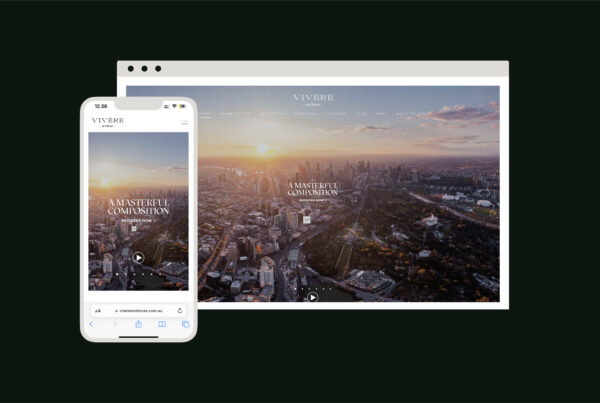
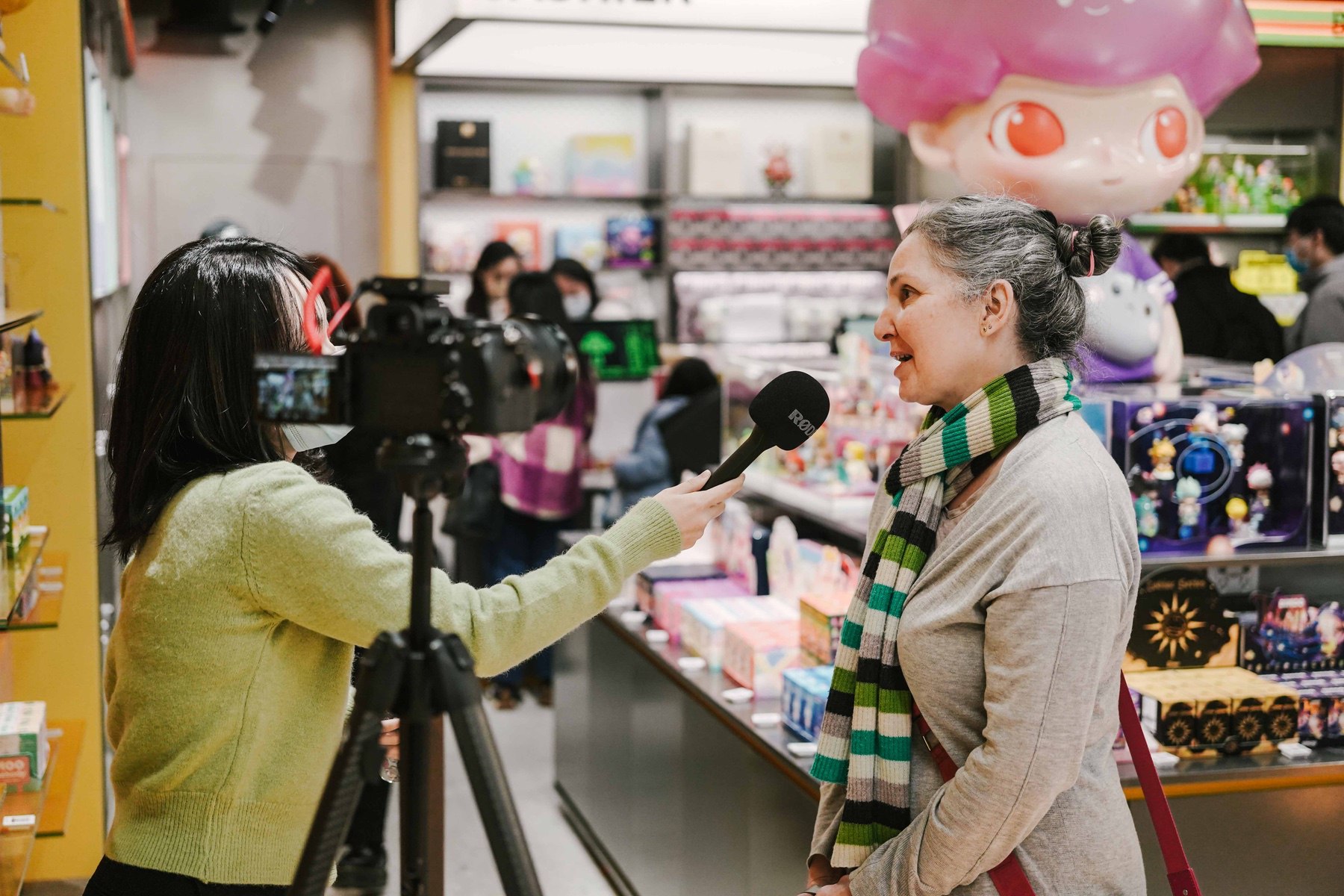
Our Voyage Altona film, for example, had ninety seconds to sell bayside living to buyers who had not visited the site. The POP MART work pictured above needed interviews filmed inside a busy store. Different briefs, different skills.
Videographer or video production company?
A videographer is often one person who shoots and edits. That suits interviews and simple social content. A video production company adds a producer, scriptwriting, a larger crew, lighting, a colourist and sound mixing. That suits brand films and anything with actors, multiple locations or tight approvals. Ask who will be on set and who will edit, because the person who quoted may not be either.
Agree where the video will run before the shoot. A homepage hero, a fifteen-second vertical social cut and a two-minute brand film need different framing, and planning them together gets all three from one shoot day. If the video is going on your website, our notes on homepage video without the slow load cover the file sizes and settings that keep a site fast.
The paperwork: drones, music and who owns the footage
Drones. Anyone flying a drone for a business job has to meet CASA’s rules for that drone’s weight. Even for a small drone under 2 kg flown for business, CASA’s weight category requirements include an aviation reference number, operator accreditation and a registered drone, flown within the standard operating conditions. Heavier drones and flights closer to people need a remote pilot licence and further approvals. Ask the videographer which category the job falls into and for proof of their accreditation. Our drone photography work runs under these rules.
Music. A popular track in your video is a licensing problem. OneMusic, which licenses music played in Australian businesses, states that its standard licences do not cover setting a business video to music and posting it online; other permissions are needed. Most commercial videos use production music licensed for online and broadcast use. Ask which music library the videographer uses and get the licence in writing.
Footage ownership. Under Australian copyright law, the commissioner of a film is generally treated as its maker and owns copyright in the final version, but the Arts Law Centre’s copyright information sheet notes these rules can be changed by written agreement. Read the contract. Check whether you receive the raw footage or only the edited film, whether the videographer can use the work in their own showreel, and whether people filmed have signed releases.
Planning the shoot day
Most of what makes a business video good is decided before the camera arrives. A shot list agreed in advance, a location visit, permission from the venue or landlord, and a schedule that puts interviews before people get tired all make the day smoother. Ask the videographer for a call sheet a few days before: who arrives when, what is being filmed where, and who on your side approves things on the spot. Agree too how many rounds of edits are included and how you will give feedback, ideally with time codes, so the edit does not drift.
A short brief that gets better quotes
Write one page: what the video is for, where it will run, the length of each version, the locations, who appears on camera, whether you need subtitles or an English and Chinese version, and the date it has to be live. Send the same page to two or three crews. The questions they ask back will tell you who has done this before.
Questions owners ask before hiring a videographer
How long should a business video be?
As long as the channel rewards. A homepage film often works at sixty to ninety seconds, social cuts at six to thirty seconds, and a detailed explainer or interview can run longer. Plan the versions before the shoot, not in the edit.
Do I own the raw footage?
Not automatically. Copyright in the final film usually sits with the commissioner, but raw footage, project files and reuse rights depend on the contract. Agree them in writing before the shoot.
Does my videographer need a drone licence?
It depends on the drone’s weight and where it flies. Even small drones flown for business need CASA operator accreditation and registration; larger drones and flights near people need a remote pilot licence. Ask for proof before the shoot day.